AI Engineering
Custom software that ships in weeks, not months.
Internal tools, data pipelines, system integrations, and custom dashboards. AI agents generate the code. Senior engineers review every merge. What used to take six months ships in weeks.
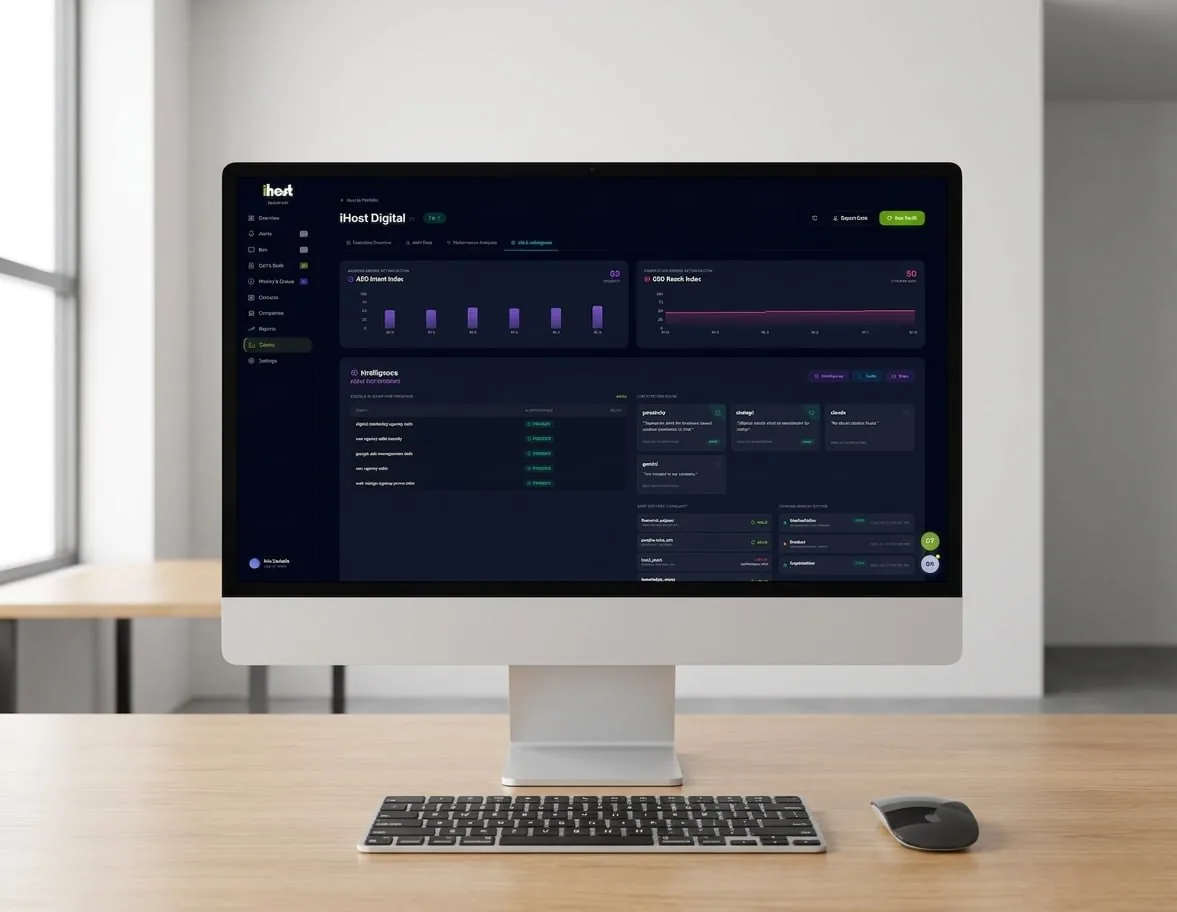
What we build
01 —Six build types. Every one scoped.
Every engagement starts with a scoped sprint plan. No open-ended time-and-materials. No ambiguous deliverables. You know what you are getting, what it costs, and when it ships before the first line of code is written.
Internal tools
Operations dashboards, admin panels, onboarding workflows, approval queues. The tools your team needs that are not worth buying a SaaS for.
Data pipelines
ETL and ELT pipelines between your SaaS stack, your data warehouse, and your reporting tools. Batch or streaming. Fivetran-style moves, or custom where Fivetran does not support the source.
System integrations
HubSpot, Salesforce, Shopify, Stripe, custom APIs. Bidirectional syncs, webhook orchestration, and the glue code that stops your team from copy-pasting between systems.
Workflow automation
Event-driven workflows across your tools. When a deal closes in Salesforce, provision the account, notify finance, and kick off onboarding, without a human remembering each step.
Custom dashboards
Reporting tools built against your actual data model, not a Looker template. Real-time where the business needs real-time, daily snapshots where daily is fine.
API development
Internal APIs, partner-facing APIs, and webhook endpoints. Documented, versioned, authenticated, tested. Your engineering team inherits code they can read.
How we work
02 —A four-step sprint. Every build.
Every iHost engineering build runs on the same cycle. Scope, design, build, review. No open-ended time-and-materials. No "we'll figure it out as we go." You know what ships and when before we write code.
Scope in week one
Fixed-scope, fixed-timeline engagements start here. Nothing outside the signed scope ships.
Design before code
Architecture decisions, data models, API contracts, and integration patterns documented before any code is written. Senior engineers make every architectural call. Agents do not design architecture, they execute against a design.
Build in sprints
Two-week sprints. AI agents generate code against the design. Senior engineers review every merge. Tests written alongside features, not as a cleanup pass at the end. Every sprint ends with a working demo.
Review and hand off
Final acceptance testing with your team. Documentation written for your engineers, not as marketing fluff. Code walkthrough with your team so the build transfers cleanly. You own the code. Every line.
What we do not do
The jobs we say no to.
We ship a lot of builds because we decline a lot of engagements. If what you need is on this list, iHost is not the right fit, and we will say so on the scoping call.
Full SaaS product development. Building a new SaaS company from zero is not what we do. We augment your team on internal systems. If you are building the next Stripe, hire a full-time team.
Long-term retained dev team augmentation. We are scope-based, not staff-aug. If what you need is two engineers embedded in your team for a year, we will point you at the firms that do that well.
Consumer mobile apps. iOS and Android consumer apps have a different release cycle, a different testing burden, and a different long-term maintenance profile than the internal tools and integrations we build. Not our practice.
Ongoing feature development on someone else's SaaS product. If you have a product and need us to be the ongoing engineering team, that is the staff-aug engagement above. Not our model.
Low-code platform implementation (Airtable, Zapier, Make). Those tools are great, and those tools are designed to be run by ops teams, not outsourced. We come in when the low-code ceiling is the constraint, not as a low-code implementation shop.
Tech we work in
The stack, in one table.
We are opinionated but not rigid. Every list below is the defaults we move fastest in. If your stack is adjacent, say so on the scoping call, we will tell you honestly whether we are the right fit.
Languages + frameworks
- TypeScript and Node.js (primary)
- Python (data pipelines, ML glue)
- Next.js and React (web UI)
- SQL (Postgres, MySQL, BigQuery, Snowflake)
- Go (when performance demands it)
Platforms + SaaS integrations
- HubSpot (CRM, Marketing Hub, Service Hub)
- Salesforce (Sales Cloud, Service Cloud)
- Shopify (admin API, storefront, Polaris)
- Stripe (payments, billing, subscriptions)
- Intercom, Zendesk, Slack, Notion
Infrastructure
- Vercel, Cloudflare, AWS (primary hosts)
- Postgres, Redis, Supabase, PlanetScale
- GitHub Actions, CircleCI
- Docker, Kubernetes (when the workload needs it, not by default)
- Datadog, Sentry, LogRocket
Scope
03 —Every AI Engineering build is scoped per sprint.
Engineering work does not fit a generic tier ladder. The scope, the stack, the integration surface, and the timeline all change what a build costs to ship well. We scope AI Engineering engagements per-project, not per-tier.
Starts at $5,000/month for ongoing support. Builds quoted per engagement after accurate scope. Fixed scope, fixed price, quoted before anyone writes code. No surprise invoices.
Questions
04 —What engineering leaders actually ask.
Pulled from scoping calls. If your question is not here, bring it to the call. We do not charge for a straight answer on scope or fit.
Have a build that has been on the roadmap too long?
Scoping call. 30 minutes. We tell you whether we can build it, what it would take, and what it would cost, whether or not we end up doing the work.
Book a scoping call